Every job below is one we do ourselves across Brooklyn.
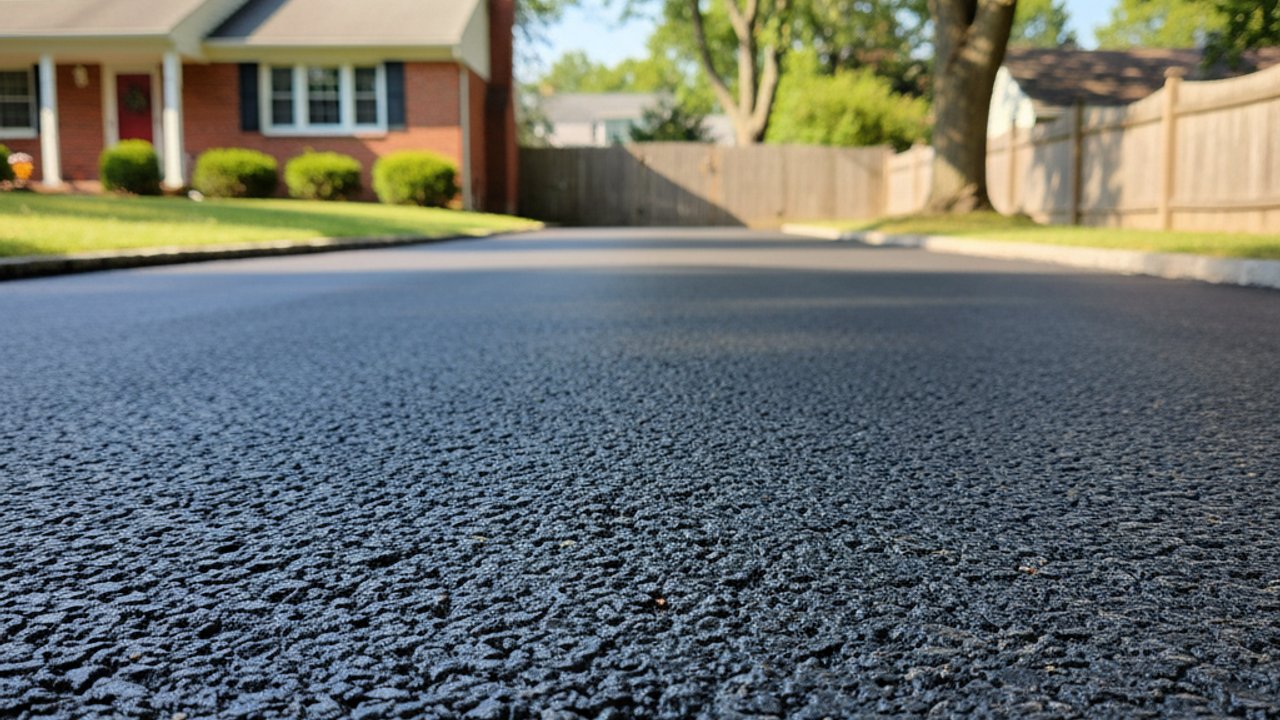
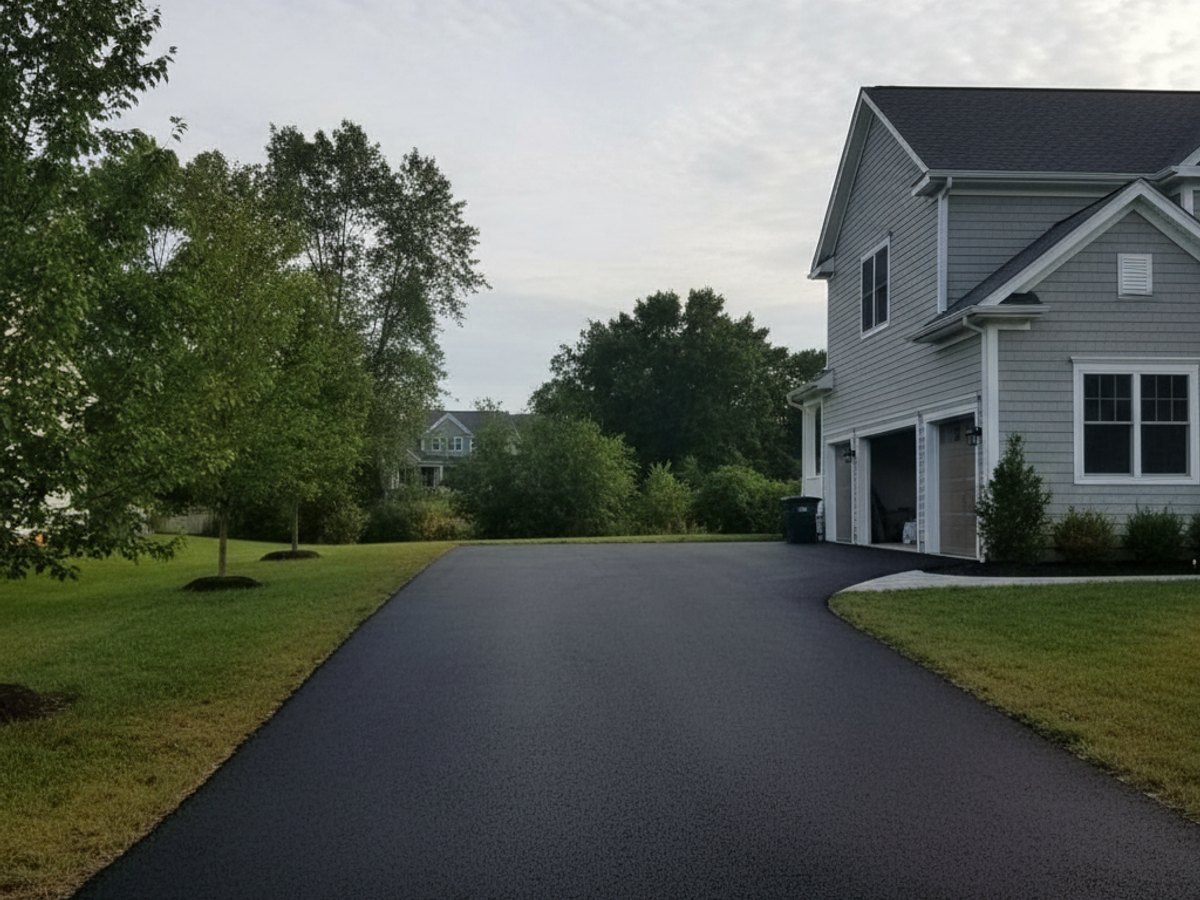
We excavate the old surface, set a compacted stone base, and lay both a binder course and a top course of hot mix asphalt. The finished driveway is graded to pitch water away from your garage and foundation instead of toward it.
Commercial lots take heavier, more concentrated loads than a driveway, so the base depth and mix design have to account for that. We grade the surface toward the catch basins and can add striping once the new asphalt has cured.
A sealcoat layer protects the asphalt binder from sun, gas, oil and salt, and it's the cheapest thing you can do to add years to a driveway or lot. We recommend it every two to three years once the original surface has cured for at least six months.
Small cracks let water into the base, and once water's under the surface, freeze-thaw cycles turn a hairline crack into a pothole fast. We rout out the crack and fill it with hot, rubberized sealant instead of a cold-pour product that shrinks and pulls loose in a season.
A pothole usually means the base underneath has already failed, not just the surface. We cut the damaged area back to solid asphalt, replace the base if it's saturated, and compact new hot mix in layers instead of dumping it in one lift.
If the base is still sound and the damage is mostly surface-level, we can mill the top layer and lay a new course over it instead of tearing out the whole driveway. It costs less than a full replacement and buys another several years.
For isolated problem spots, a birdbath area that holds water, or a section damaged by a utility cut, patching fixes the spot without touching the rest of the driveway. We match the patch depth to the surrounding asphalt so it doesn't sit higher or lower than the existing grade.
Milling grinds down the existing surface to a set depth, which we use to correct a driveway built up too high against a garage door or to prep for a resurfacing job. The reclaimed material can sometimes be reused as base on the same site.
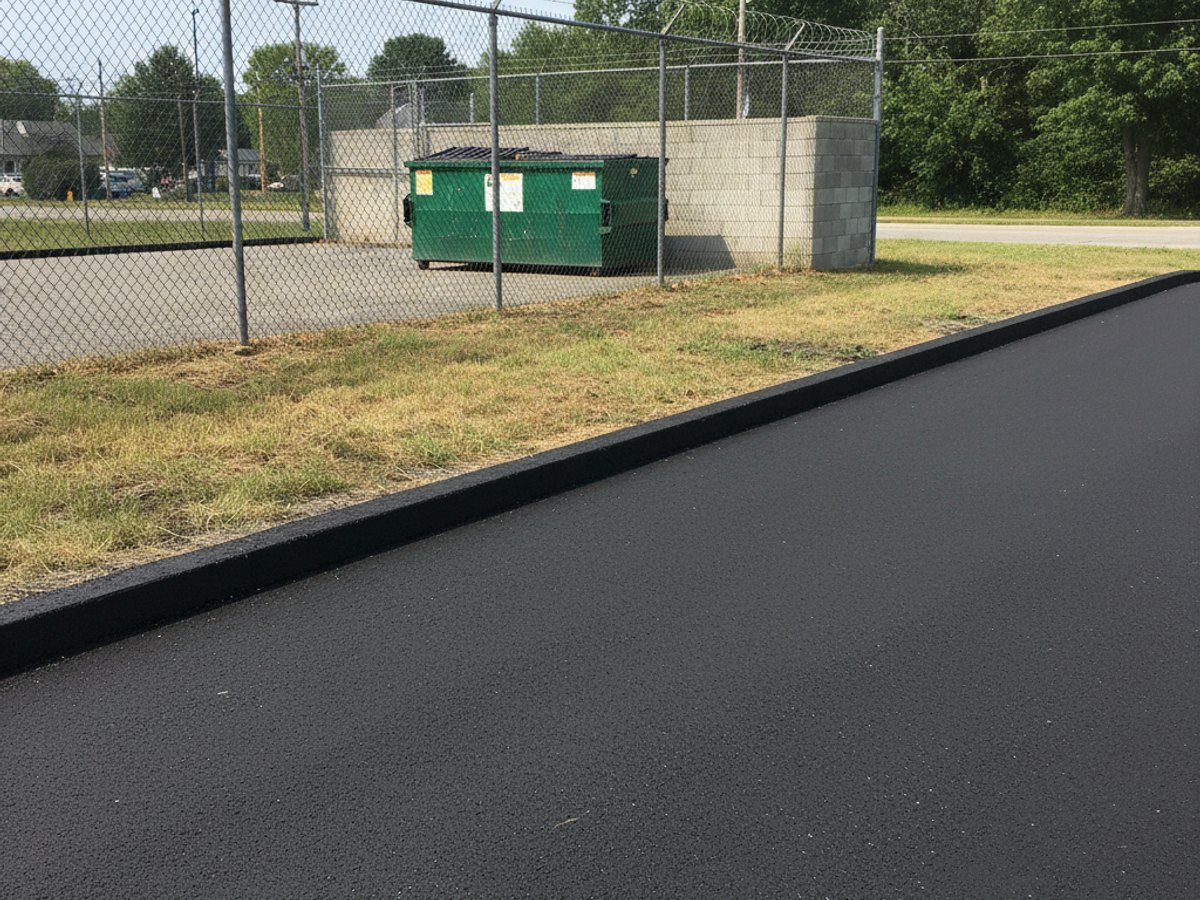
We form and pour asphalt curbing along driveways and parking lots to direct water runoff and keep cars off planting beds or grass edges. It's a lower-cost alternative to concrete curbing and it goes in fast.
Once a lot's asphalt has cured, we stripe parking spaces, fire lanes and handicap markings to code. Paint wears faster in high-traffic lanes, so we can spot-restripe just those areas without repainting the whole lot.
Four steps, and no surprises in any of them.
You tell us what you want doing, we look at what is actually there, and we ask the awkward questions early.
In writing, itemised, free. If something might add cost later we flag it now rather than at the end.
Same crew throughout. We cover your floors, keep the dust down and tidy up before we leave each day.
You point out anything you are not happy with and we fix it before the invoice, not after.
We bring the same crew and equipment to every town on this list.
Questions that come up once a project's actually underway.
Describe the problem and we will tell you what it probably is. No obligation.